CPPR presents systems-based approach to strengthening early childhood at national conference
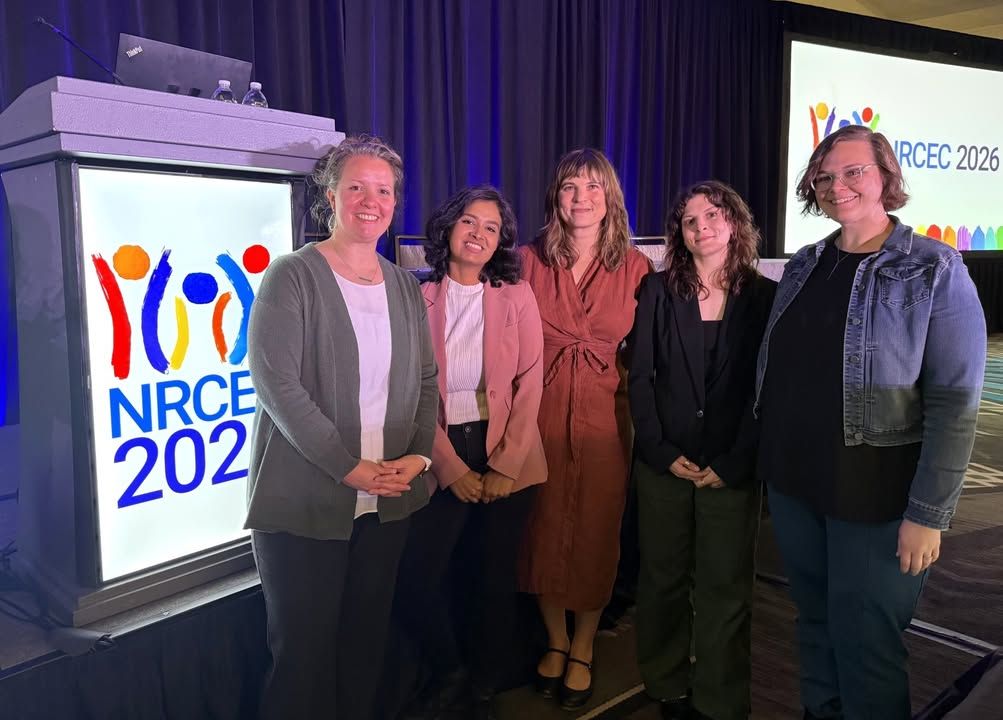
Researchers from the University of Kansas Center for Public Partnerships & Research (CPPR) recently presented at the National Research Conference on Early Childhood, showcasing the center's systems-based approach to strengthening early childhood. Their session highlighted how coordinated investments in workforce stability, infant and early childhood mental health, and shared measurement can help build stronger systems that better support children, families, and the professionals who serve them.
Sara Gardner, Sushmita Samaddar, and Nicole Stevens presented From Local Pilots to Lasting Infrastructure: System-Level Innovations in Early Childhood, demonstrating how individual initiatives become more effective when designed as connected parts of a larger system. Rather than focusing on isolated programs, the session explored how states can build durable infrastructure that adapts to the evolving needs of children, families, and communities.
The presentation reflected CPPR's broader approach to helping partners strengthen the systems that support children and families. By combining research, community engagement, strategic planning, implementation, and evaluation, CPPR works alongside partners to identify opportunities for lasting systems change that improves outcomes over time.
The session highlighted three interconnected components of Kansas’ early childhood strategy:
- Strengthening workforce stability. The team shared findings from three coordinated workforce pilots designed to address staffing shortages, infant care sustainability, and provider retention. Together, these efforts demonstrate how targeted investments can stabilize the conditions that make high-quality early childhood care possible.
- Building relational capacity through infant and early childhood mental health. Presenters discussed how Kansas is investing in workforce well-being, community voice, cross-sector collaboration, and ongoing learning to strengthen the relationships that support young children's healthy development. The work recognizes that responsive systems depend not only on services, but also on trusted relationships, shared understanding, and coordinated support.
- Creating shared measurement and accountability. The presentation concluded with Kansas' Strategic Plan Monitoring Framework, which helps connect local initiatives to statewide goals through shared metrics, transparent reporting, and community-informed data. The framework supports continuous learning while helping partners understand what is working, where gaps remain, and how progress can be sustained over time.
Together, the three presentations demonstrated how workforce investments, infant and early childhood mental health initiatives, and shared measurement complement one another as part of a broader early childhood ecosystem. Rather than viewing individual projects in isolation, the session illustrated how coordinated strategies can strengthen the systems that support children, families, and the professionals who serve them.
“Although each presentation focused on a different area of work, they all pointed to the same idea: lasting change happens when individual initiatives are designed to support broader system goals,” Gardner said. “That's the approach we bring to our work with partners—helping them understand complex systems, identify opportunities for lasting improvement, and translate research into practical strategies that strengthen services and improve outcomes.”